



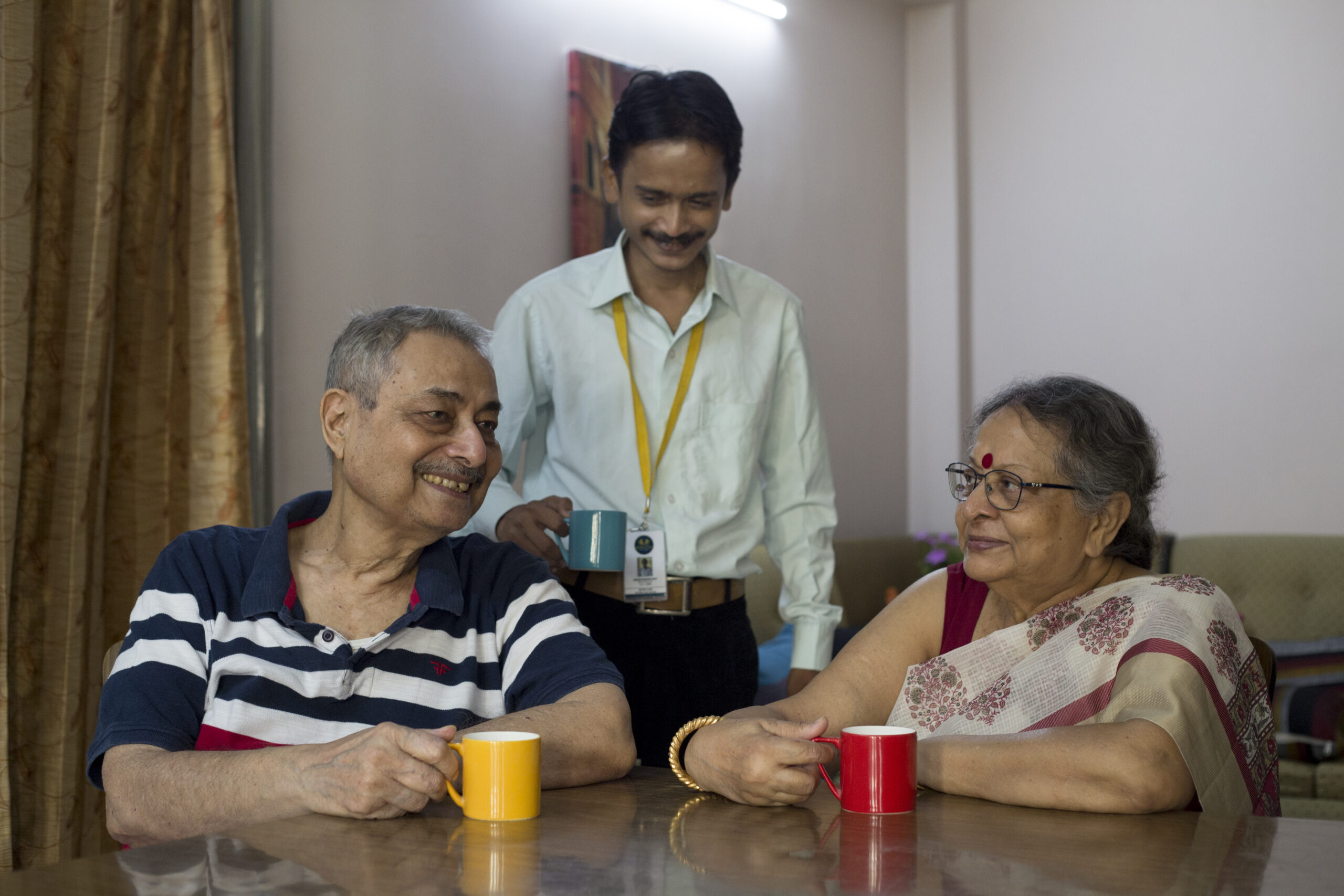
Diabetes stands among the most prevalent long-term health conditions that impact a large proportion of the senior population. Diabetes is prevalent in elderly individuals, affecting nearly 1 in 5 globally (around 19.3%) for ages 65-99. With aging comes natural changes in metabolism, activity levels and overall health. This can make elderly individuals more vulnerable to blood sugar imbalances.
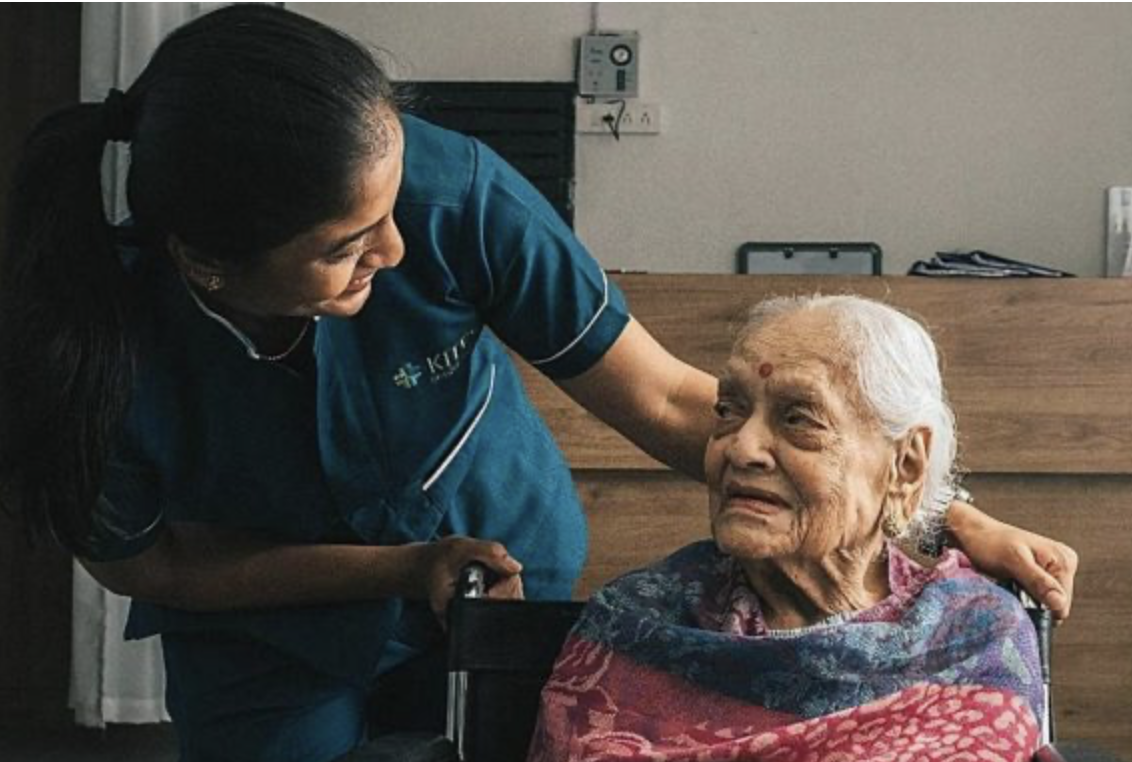
In cities where specialized support, such as eldercare services in Kolkata, is gaining importance, addressing these challenges becomes even more crucial. Unfortunately, several myths surrounding diabetes in seniors can lead to delayed diagnosis, poor management and unnecessary fear. Hence, understanding the reality behind these misconceptions is essential for better health and quality of life. This blog explores the widespread misconceptions
surrounding diabetes in older adults and reveals the facts behind them.
With the proper knowledge and timely care, seniors can manage diabetes effectively and lead healthy lives. However, several common myths continue to create confusion and prevent informed decisions. Let’s uncover the five most widespread misconceptions associated with diabetes in seniors.
The first prominent myth associated with diabetes in seniors is that diabetes is a regular part of aging. While the risk of diabetes increases with age, it is not a natural or inevitable part of getting older. Lifestyle factors such as physical inactivity, poor dietary habits, obesity and genetic predisposition play a significant role in increasing the possibilities of having diabetes in seniors. Many older adults live their entire lives without developing diabetes. Addressing it as “normal” can be dangerous because it discourages early screening and proper care.
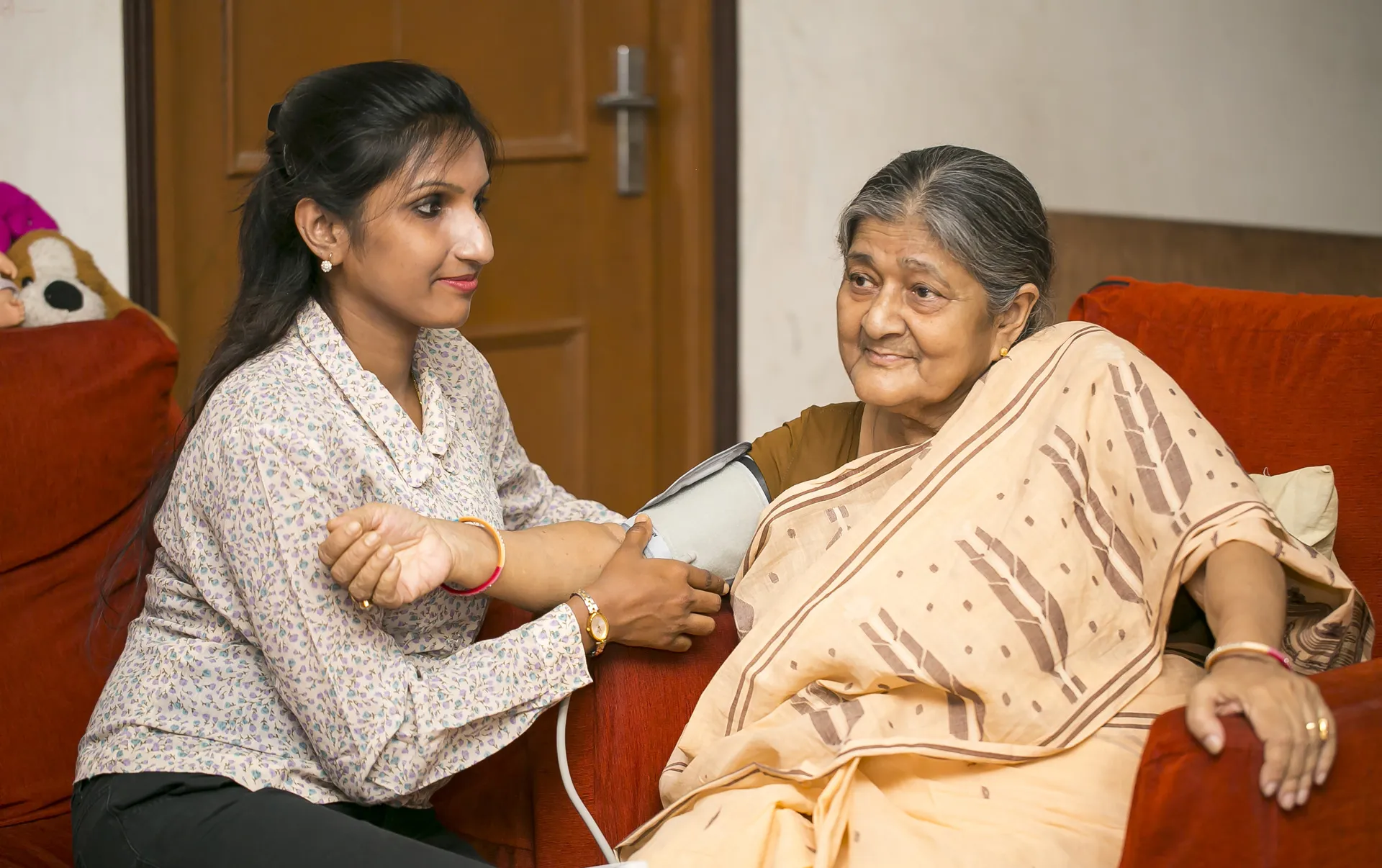
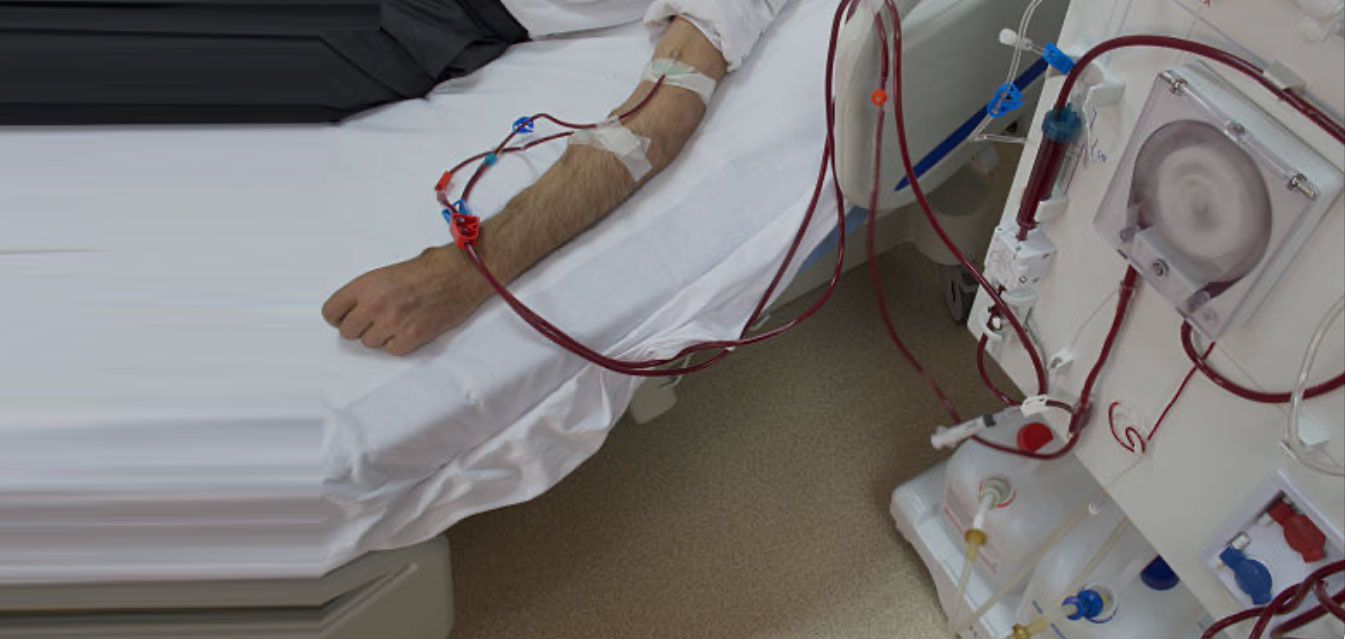
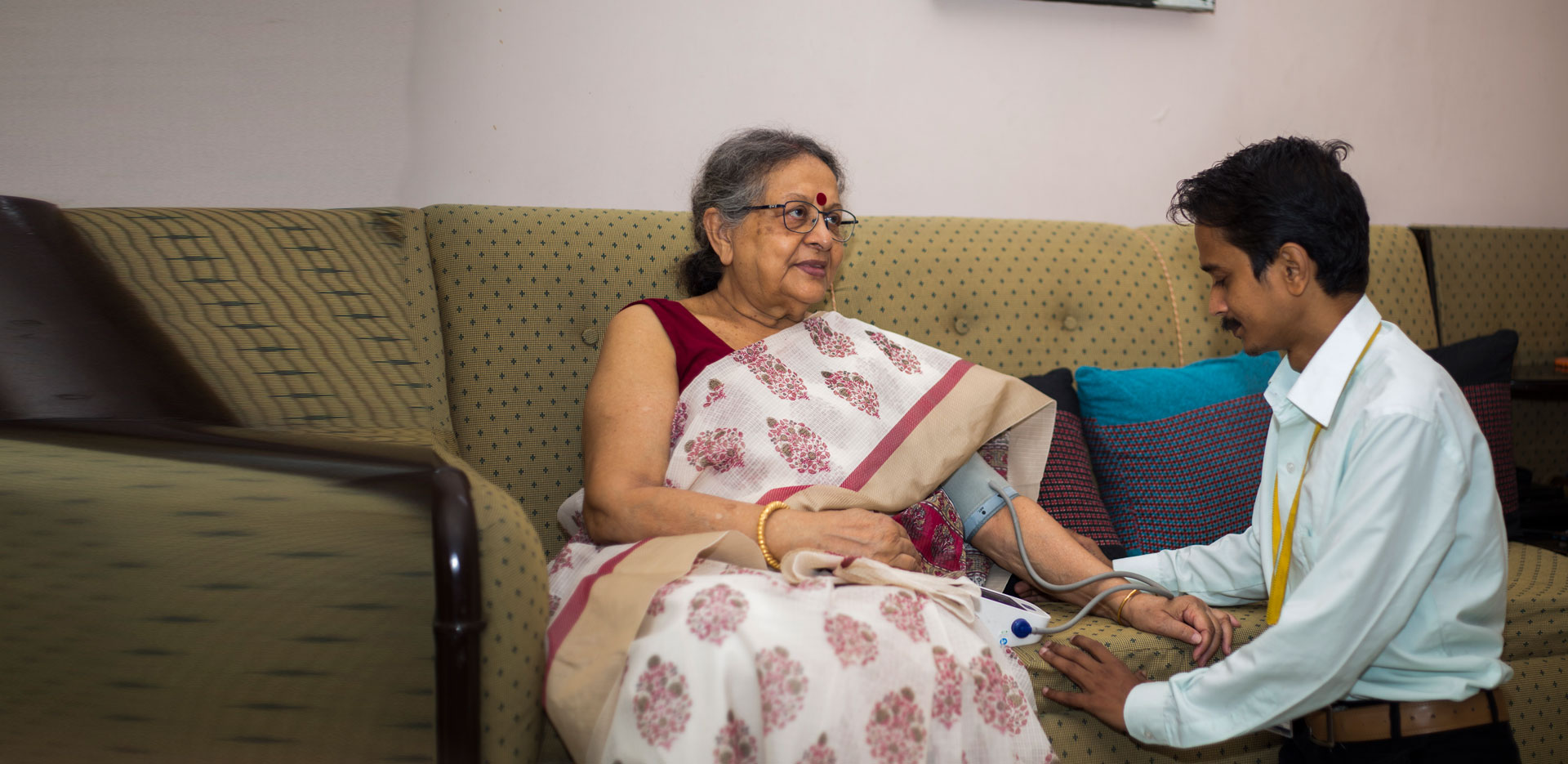
Do you know that diabetes can be deceptive, especially in seniors? Symptoms like fatigue, frequent urination, blurred vision, or slow-healing wounds may appear mild or be mistaken for normal aging. However, unmanaged diabetes can lead to serious complications, including heart disease, nerve damage, kidney issues, vision loss, and increased risk of infections. Even when symptoms seem manageable, consistent monitoring and treatment are crucial. Are your senior family members experiencing similar warning signs? Then don’t delay and reach out to trained home nurses for home care in Kolkata to ensure they receive timely, professional care.
A diabetes-friendly diet does not always mean bland or restrictive eating. Seniors with diabetes can enjoy a wide variety of nutritious and flavourful foods with proper portion control and balance. Older adults can combine whole grains, lean proteins, vegetables, fruits with low glycaemic impact and healthy fats into satisfying meals. Remember, the focus should be on moderation, meal timing and informed food choices irrespective of deprivation.
Another very popular myth associated with diabetes in seniors is that insulin is the only treatment option. Not all seniors with diabetes need insulin. Many older adults can manage their condition effectively through lifestyle changes, oral medications, or non-insulin injectable therapies. Treatment plans may vary based on the type of diabetes, overall health and individual needs. For some seniors, simple adjustments such as increased physical activity and dietary improvements can significantly improve blood sugar control.
Many of us often think that exercise is unsafe for older adults with diabetes. However, when done safely and appropriately, exercise is one of the most powerful tools for managing diabetes in seniors. Physical activity helps regulate blood sugar levels, improves circulation, supports joint health and enhances mental well-being. Seniors can perform activities such as walking, swimming, chair exercises, yoga, or light strength training under medical guidance to ensure safe and effective exercise.
Final Thoughts
Understanding diabetes in seniors requires separating myths from medical reality. Diabetes is not an unavoidable part of aging, nor does it mean a loss of freedom, enjoyment, or independence. With early detection, personalized treatment and supportive care, seniors can manage diabetes effectively and continue to lead healthy, meaningful lives. Awareness, education and proactive choices are the strongest tools in turning diabetes from a dreaded diagnosis into a manageable condition. Connect with DivinusCare and take the next step toward better senior health. Call us for trusted guidance, compassionate support and expert eldercare services in Kolkata tailored to your elderly loved ones’ needs.